


Music Tectonics 2026 takeaways for artists and their teams
Key Takeaways
Music Tectonics 2026, held October 27 to 29 in Santa Monica, made one thing clear for independent artists: the ones who grow know their fans and can reach them directly with something worth showing up for. These are my five biggest takeaways from the conference.
- Invest in YouTube as a social channel. More than 2 billion logged-in viewers watch music videos there every month.
- Own the relationship with your audience. A website and a private fan community tell you far more about fans than an email opt-in, a point EVEN co-founder Mag Rodriguez made on stage.
- Give direct buyers something they can’t find anywhere else. Jessie Reyez released A Little Vengeance on EVEN with 8 exclusive bonus versions for direct buyers.
- Use physical products as a door into your digital world. Smart media albums like the KiTalbum now count on Billboard’s album charts.
- Build a world around your music. Fans stay with artists who have a clear identity, so define yours before you push music into feeds.
By the numbers
| Figure | What it means | Source |
|---|---|---|
| $8 billion+ | YouTube’s payout to the music industry from July 2024 to June 2025 | YouTube Blog |
| 2 billion+ | Logged-in viewers who watch music videos on YouTube each month | YouTube Blog |
| 17 + 8 | Tracks plus exclusive bonus versions in Jessie Reyez’s direct release on EVEN | EVEN STUDIO |
| Oct 2 to 8, 2026 | First tracking week in which smart media albums count on Billboard’s album charts | KiTbetter |
| 10 million+ | KiTalbums sold worldwide | A2IM |
| $4.70 | Average artist earnings per KiTalbum, with no upfront cost | A2IM |
Intro
Music Tectonics 2026 brought label teams, artist managers, music tech founders and investors to Santa Monica from October 27 to 29 under the theme “A Rising Tide: Growing Music, Growing Value.” It was my first time at the conference, and almost every session I sat in kept circling back to ideas I’ve been writing about all year, which made it a great chance to hear how the people building these tools see the next few years for independent artists.
I spent most of my time in the sessions built for artists and the teams around them. That included the MMF-US panel on direct-to-fan in 2027; a global panel with leaders from HYBE, NetEase Cloud Music, AfroCharts, and ONErpm; a session on smart media albums; the A2IM spotlight on tools for independent artists; a creator marketing playbook; and a panel on turning passive listeners into invested fans.
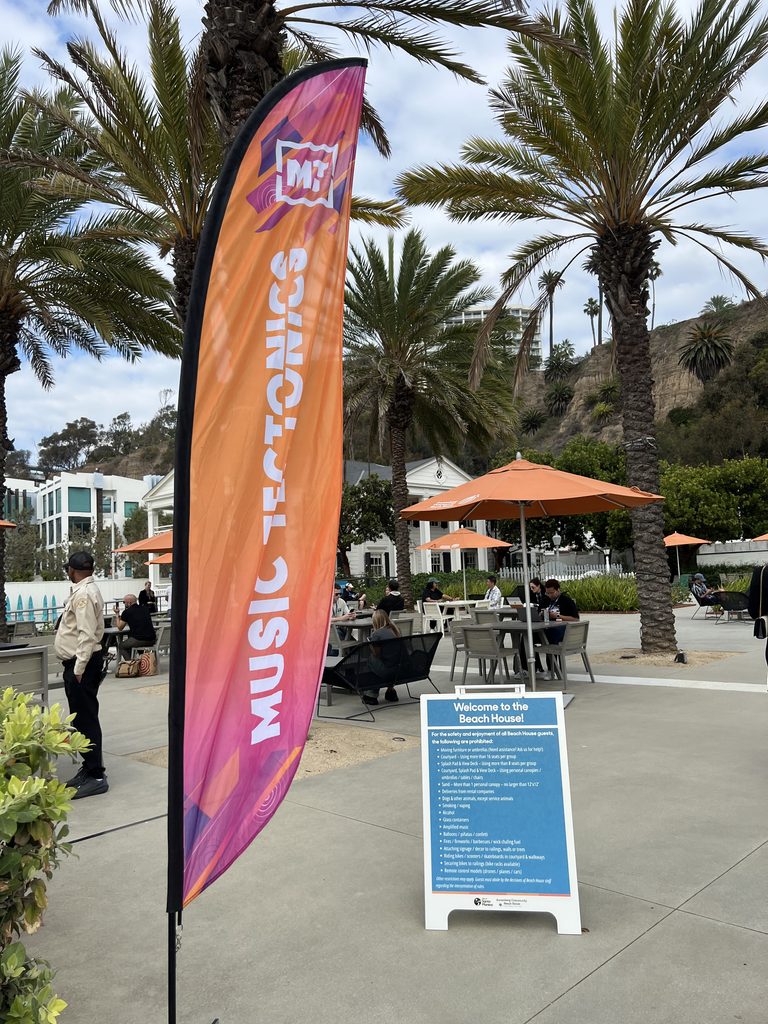
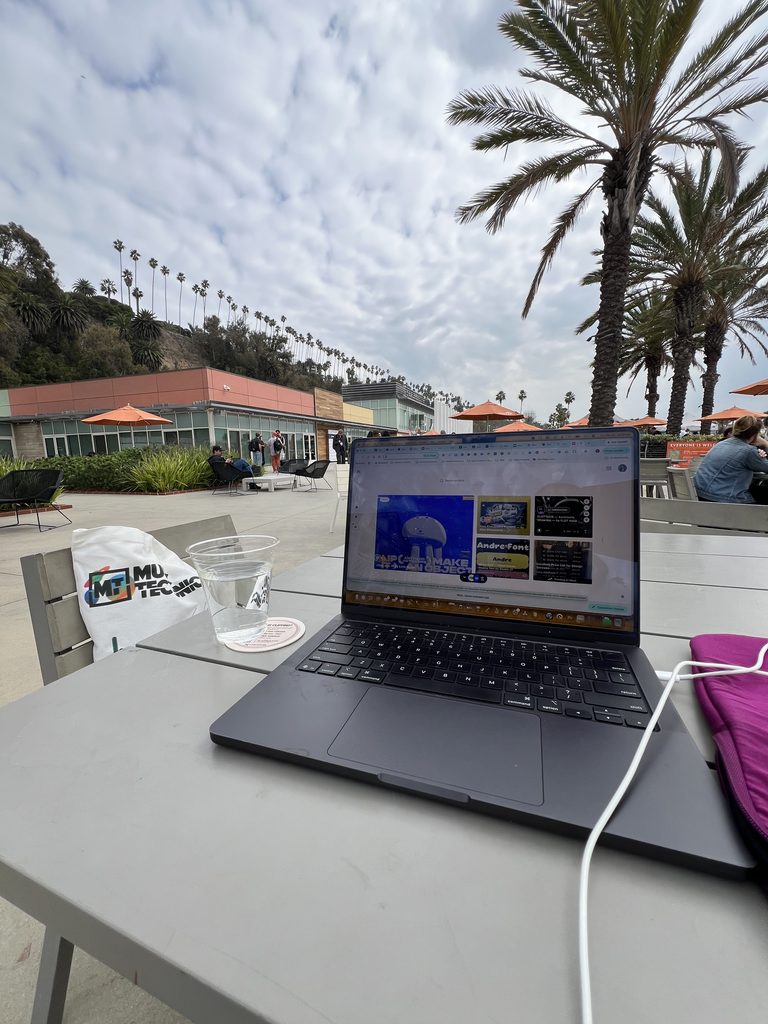
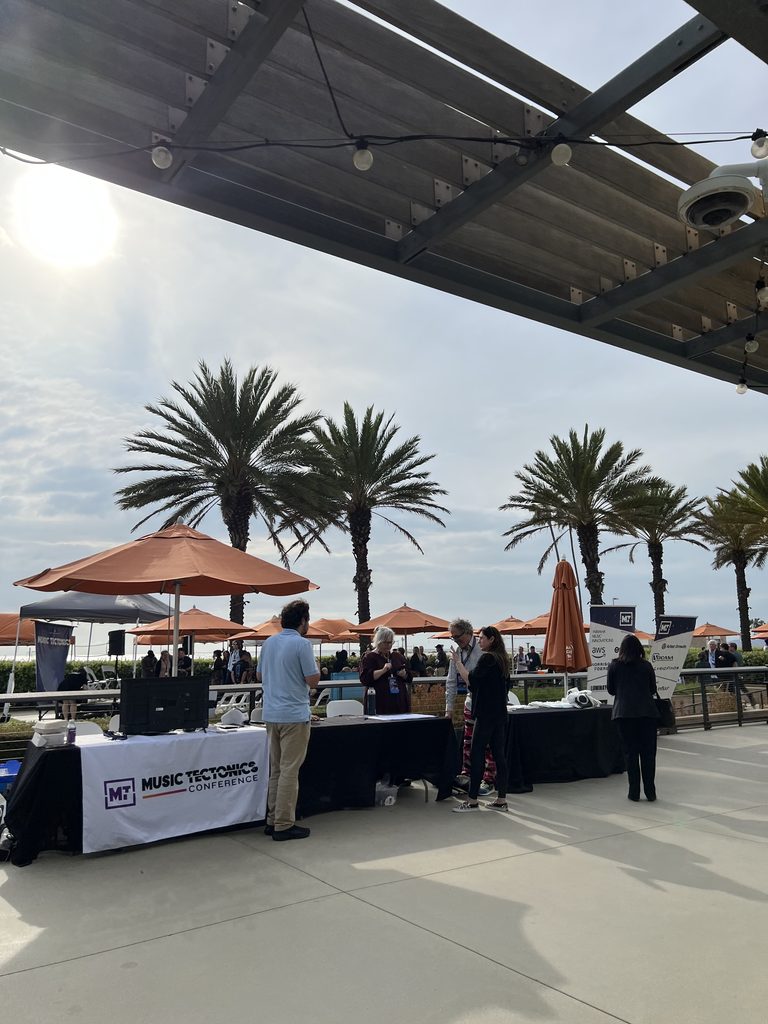
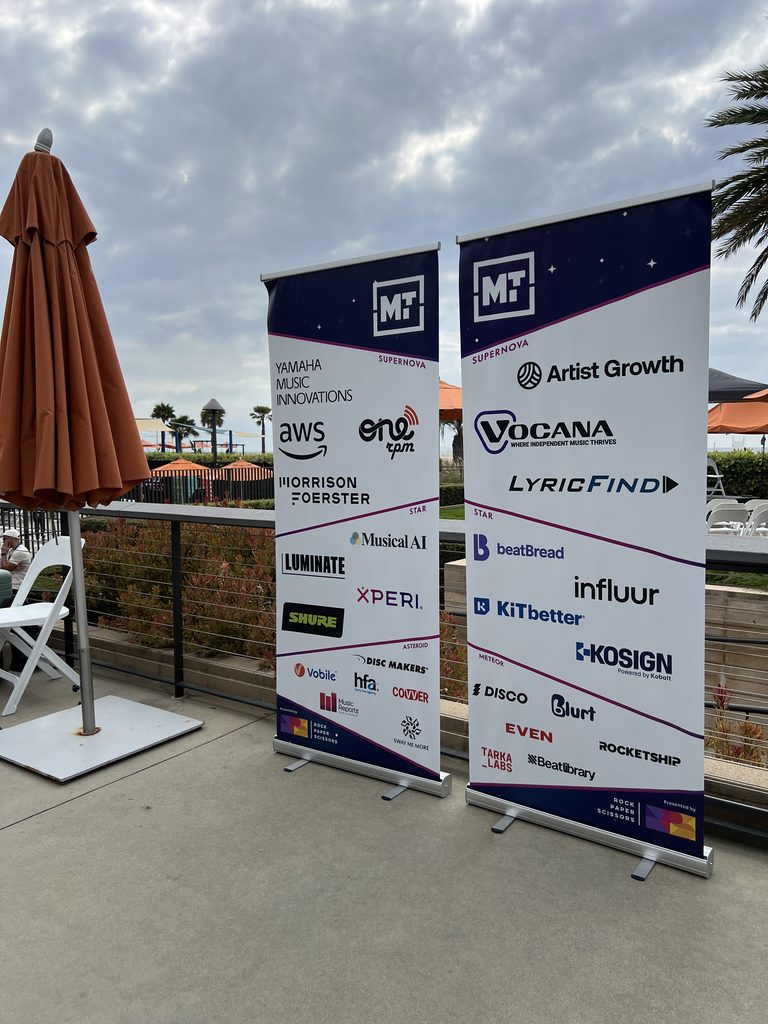
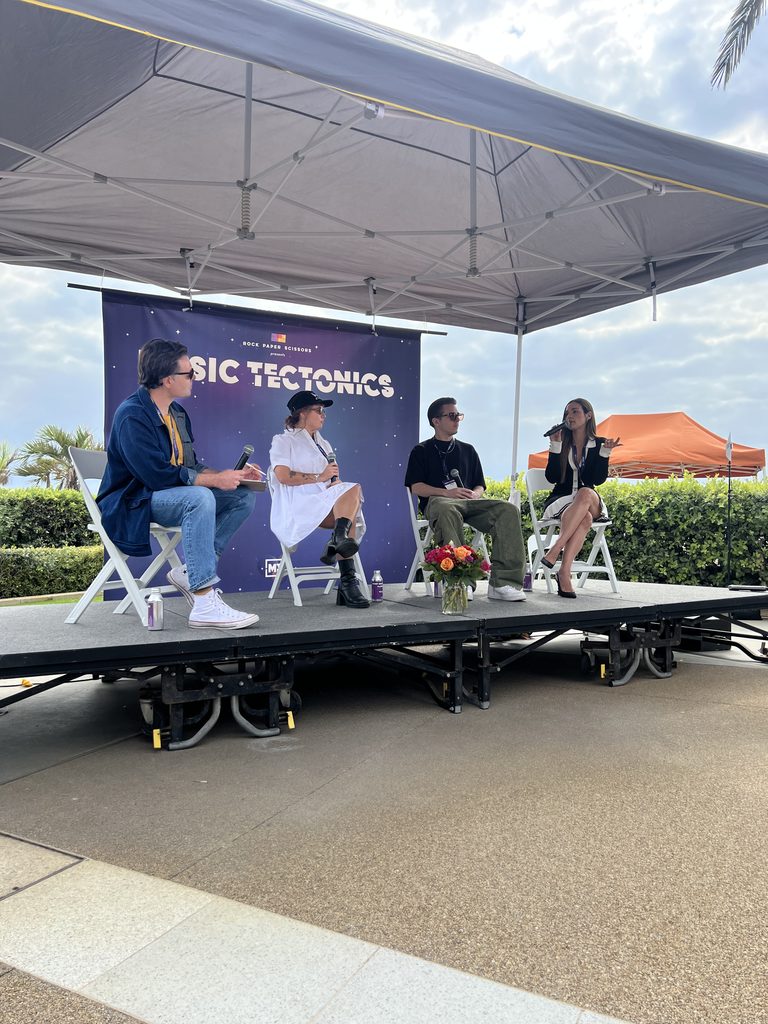
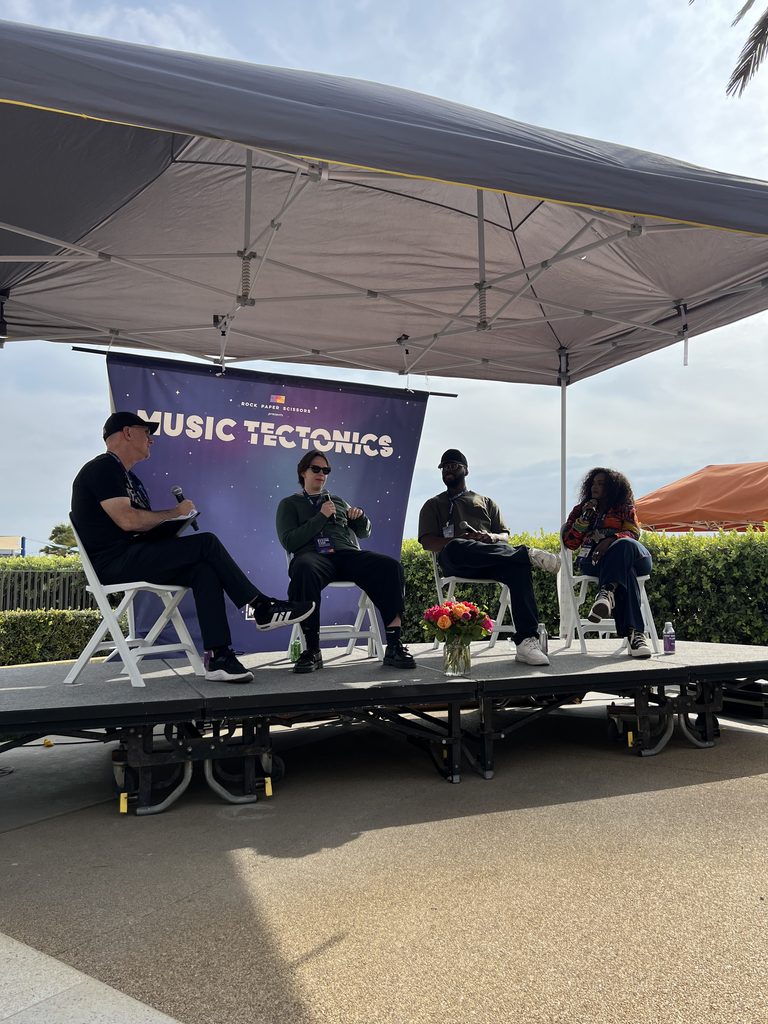
Here are the five takeaways I keep coming back to, along with what independent artists and their teams can start doing with each one before their next release.
1. Invest in YouTube as one of your main social channels
Key takeaway: Music fans already spend time on YouTube, so independent artists should treat it as an equally important social channel and use it to send fans back to their website.
YouTube came up in multiple sessions, and the panel on turning passive listeners into invested fans featured YouTube’s head of artist-fan experience, Ebo Quansah. The numbers explain why so many people at the conference are paying attention. Between July 2024 and June 2025, YouTube paid out more than $8 billion to the music industry, and the company says more than 2 billion logged-in viewers watch music videos on the platform each month.
YouTube is also becoming more important as fans turn to AI search for answers. In November 2026, YouTube was the most-cited website in Google’s AI Overviews, accounting for 24.5% of all citations across more than 3 million US searches, according to Ahrefs. That makes YouTube part of an artist’s answer engine optimization (AEO) and generative engine optimization (GEO) strategy, since a well-described video can help an artist show up when fans ask Google or an AI assistant about their music.
YouTube could work best as the social channel artists invest in most, feeding fans back to the website. Many independent artists still treat it as a place to park a music video once the single is out, which leaves most of what the platform offers fans unused. A channel that gets steady attention gives fans a reason to subscribe and comment, then come back between releases, and that ongoing activity is what turns a casual viewer into someone who buys a ticket.
Where to start
- Claim or merge your Official Artist Channel so your music and videos sit in one place
- Plan Shorts for every release cycle, cut from studio sessions and behind-the-scenes footage
- Use premieres and the community tab to give fans a reason to show up on release day
- Connect your merch store and ticketing so fans can buy without leaving the platform
- Point every video description, Short and community post back to your website, so the fans YouTube brings in end up somewhere you own
2. Own the relationship with your audience
Key takeaway: Social followers belong to the platform, so artists need a digital home base for their fans that they control, and that community will tell them far more about their fans than an email opt-in form.
The direct-to-fan panel, which paired artist managers Emily White and Ashley Moss of OFF RECORD Co. with Mag Rodriguez of EVEN and Maxwell “Zotz” Zotz of Rocketship Music, spent a lot of its time on one question: who controls the relationship with the fan? Followers on social platforms belong to the platform, and when an algorithm decides who sees a post, plenty of fans miss a release they would have been excited about. An email list, a text list or a fan community the artist runs is the part of the audience an artist can reach whenever they choose.
That’s why I believe an artist’s website should be the center of everything. Social platforms, YouTube included, are where fans discover an artist, and the website is where they should land, because it’s the one place where the artist controls the experience, collects sign-ups and keeps the relationship going between releases. Every link in a bio, video description or ad should lead fans back there.
Mag Rodriguez, co-founder and CEO of EVEN, pushed the conversation past the basics. A name, email address and phone number get an artist started, but an email opt-in form says very little about who a fan is or what they want. His point was that a private community gives artists far more insight into what their fans want and need, because the way fans talk, vote, share and show up inside that community tells an artist much more than a sign-up form ever will. EVEN is built around that idea, giving artists a direct-to-fan home where they can sell to their most engaged fans and learn from them at the same time.
The global panel offered a strong example of what an engaged community can do. In K-pop and Chinese fandoms, fan community leaders often champion merch and album sales for the artists they love, organizing other fans around each drop. Superfans who are given a role in a release become part of how it spreads.
Where to start
- Ask for one or two more details at sign-up, such as city and the song that brought someone in, so the next release can be targeted
- Give your most engaged fans something to organize around, like early access or a street team drop
- Look at who comments and buys most often, and talk to those fans directly
- Make your website the place every link points to, with an email or text sign-up on the home page and a clear reason to join.
- Give your superfans a private community, on a platform like EVEN, and pay attention to what they ask for and respond to
3. Direct-to-consumer works when fans get something they can’t find anywhere else
Key takeaway: Direct-to-fan sales work when buyers get exclusives they can’t find on streaming, which is how Jessie Reyez approached the direct release of A Little Vengeance on EVEN.
Selling directly to fans was the thread running through the whole conference, from the direct-to-fan panel to Blurt.FM’s pitch to “find a show, buy the merch, skip the industry.” The examples that landed best had one thing in common. Fans were offered access and extras that existed only on the artist’s own channel, giving them a clear reason to buy there.
Case study: Jessie Reyez and A Little Vengeance on EVEN
The direct-to-fan panel pointed to Jessie Reyez as a model for this. EVEN is a direct-to-fan platform built around the idea of artists and fans investing in each other, and its EVEN STUDIO product lets an artist run a branded store and fan experience of their own, with EVEN building and operating the technology behind it.
In May 2026, Jessie Reyez opened her album A Little Vengeance directly to fans on her own EVEN STUDIO-powered platform. Fans who bought through her platform got the album’s 17 tracks plus 8 exclusive bonus versions, along with tour updates and a direct chat with Jessie herself, with her merch available in the same place.
What makes this a useful model for independent artists is the mix. The exclusive bonus versions gave fans a reason to buy from Jessie instead of waiting for streaming, while the chat and tour updates kept them coming back after the purchase. Each sale also gave her team a direct line to a fan they can reach again for the next tour or record.
Where to start
- Hold back something for direct buyers, like bonus versions, voice memos, early access or signed items
- Pair the release with a reason to stay, such as a fan chat or a tour presale
- Make sure every direct sale adds the buyer to your email or text list
4. Physical is back, and it’s connected to the artist’s digital world
Key takeaway: Smart media albums such as KiTbetter’s KiTalbum now count on Billboard’s album charts, giving artists a collectible that connects fans to digital content and returns data after the sale.
Vinyl and CDs keep selling, and the Physical, Connected panel made the case that the next wave of physical music will be collectibles that open into something digital, and the timing lines up with a change in how those collectibles are counted. Starting with the October 2 to 8, 2026 tracking week, Billboard and Luminate began counting qualifying smart media albums on the album charts, which Luminate described as “the first time we’re adding a new physical music format since CDs.”
KiTbetter, represented on the panel by Jennifer Sullivan, makes one of the formats leading this shift. A KiTalbum pairs an artist-designed package with a small KiT device that fans tap against a phone to open the album in the KiTplayer app, where they get the music along with videos, lyrics, credits and visuals. KiTbetter says it has sold more than 10 million KiTalbums, and it is one of seven vendors currently approved under the new chart rules.
The format grew up in K-pop, where KiTbetter’s parent company, Muzlive, released what it calls the first connected album in the K-pop industry in 2014, and K-pop companies including SM Entertainment, JYP Entertainment, Pledis Entertainment and KOZ Entertainment have released KiTalbums alongside CDs and vinyl.
For independent artists, the economics are worth a look. According to A2IM’s member spotlight, artists earn an average of $4.70 per KiTalbum with no upfront cost and more than $10 per album through direct sales, and the format gives artists data on fans after the sale, something a vinyl record has never been able to do.
Where to start
- Treat every physical product, from albums to merch, as a way to grow your email list, with a code or tap that leads to a sign-up
- Design collectibles that reward your biggest fans, like limited editions or signed inserts
- Bundle physical items with your direct-to-fan drops so superfans have one place to buy
5. Build a world around your music
Key takeaway: Fans attach to artists with a clear identity, so take the time to define what your music stands for before you push it into people’s feeds.
One comment from the stage has stayed with me since the conference: a speaker said that many artists today aren’t taking enough time to develop themselves. With tools that make it possible to finish and release a song in a matter of days, it has become easy to put music out before the artist behind it has a clear identity, and fans have a hard time attaching to music that doesn’t come with a person and a point of view they can recognize.
The sessions on creator campaigns and on turning passive listeners into invested fans made a similar point from the marketing side. A creator campaign can push a song into thousands of feeds in a weekend, but the listeners it brings in only stick around when they land somewhere that tells them who the artist is and gives them a reason to keep following. HYBE, whose head of digital, Jesse Coolbroth, spoke on the global panel, is the clearest example of this at scale, since its artists come with fully developed worlds, each with its own visual language and fan rituals, that give fans something to step into.
Independent artists can build the same kind of world on a smaller budget. It starts with knowing what the music stands for and carrying that through everything a fan touches, from the visual identity and the website to the merch table, the email list and the way the artist shows up on YouTube.
Where to start
- Write down what your music is about and who it’s for, and use that as a filter for every creative choice
- Build a visual identity that carries across your covers, videos, merch and website
- Give fans a home base, like your website and email list, where the world you’re building lives in one place
Putting it together
Each of these takeaways depends on the others. A YouTube channel and a direct-to-fan drop can both bring fans closer, and each works best when it sends fans back to the artist’s website and email list, where the world the artist is building lives. The independent artists who come out ahead in 2027 will be the ones whose tools are connected, so the fans they meet on one release are still there for the next.
If you want help deciding which tools belong in your setup and how they connect, download our free martech stack guide for independent artists and their teams.
About the author
Jacqueline Gellner is the founder of Harmonic Creative, a Los Angeles creative studio for independent artists and labels. Before starting Harmonic Creative in 2026, she spent more than 20 years leading brand and marketing teams, most recently as AVP of Marketing at a global creative and technology agency, and she now helps artists build brands and marketing systems they own.
FAQ
What is Music Tectonics?
Music Tectonics is an annual music technology conference run by the PR firm Rock Paper Scissors. The 2026 edition took place October 27 to 29 in Santa Monica, California, with the theme “A Rising Tide: Growing Music, Growing Value.”
What were the biggest takeaways from Music Tectonics 2026 for independent artists?
The five biggest takeaways were to invest in YouTube as your main social channel, own the relationship with your audience through your website and a private fan community, give direct buyers exclusives, use physical products like smart media albums to connect fans to digital content, and build a clear world around your music.
Why do independent artists need a website if they’re active on social media?
Social platforms decide who sees each post, and the followers belong to the platform. A website gives fans one place to hear the music, sign up for updates and buy directly, and it’s the home base that every social channel, YouTube included, can send fans back to.
What is a smart media album?
A smart media album is a physical product, such as a KiTalbum, that unlocks an artist’s music and extra content on a phone or tablet. Starting with the October 2 to 8, 2026 tracking week, qualifying smart media albums count toward Billboard’s album charts.
What is EVEN?
EVEN is a direct-to-fan platform where artists sell music and exclusive extras to fans on their own branded store, so the artist keeps the relationship with every buyer.
Why should independent artists invest in YouTube?
YouTube is one of the largest music platforms in the world, with more than 2 billion logged-in viewers watching music videos each month, and it gives artists ways to keep fans engaged between releases through Shorts, premieres, community posts and connected merch.
What does it mean to own your audience?
Owning your audience means having a direct way to reach fans, such as an email list or fan community, without depending on a social platform’s algorithm to decide who sees your updates.

